
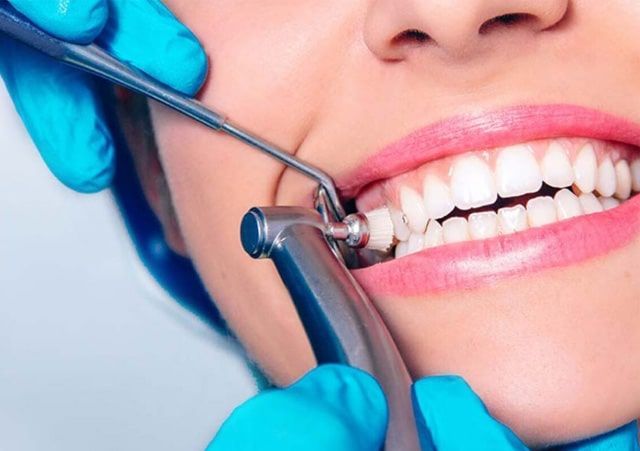
The Importance of Professional Teeth Cleaning ( Prophylaxis ): A Vital Investment for Oral and Overall Health
Oral and dental health is often considered a secondary aspect of general health,
Why Is House Cleaning Not Enough?
Although brushing your teeth at least twice a day with fluoride toothpaste and
Key Benefits of Professional Teeth Cleaning
Regular visits to the dentist for cleanings (generally recommended every six months) offer significant benefits that go beyond the aesthetics of a brighter smile:
- Gum Disease Prevention: Tartar buildup causes gum irritation and inflammation (gingivitis). If left untreated, this condition can progress to the more serious periodontal disease (periodontitis), which damages the tissue and bone supporting the teeth and ultimately leads to tooth loss.
- Preventing Tooth Decay (Caries): Plaque contains bacteria that produce acid, which erodes tooth enamel and causes cavities. Regularly removing plaque and tartar protects teeth from further damage.
- Fresher Breath: Bacteria that thrive in plaque and tartar are often the primary cause of persistent bad breath ( halitosis ). Thorough cleaning significantly reduces this source of odor.
- Early Detection of Dental and Other Health Problems: During routine visits, your dentist will perform a comprehensive exam to detect early signs of tooth decay, gum disease, oral cancer, or other hidden problems you might not be aware of. Early diagnosis allows for simpler, more effective, and more affordable treatment.
- Improve Aesthetics and Confidence: Professional cleaning removes surface stains caused by coffee, tea, or tobacco, resulting in cleaner, brighter-looking teeth and boosting your confidence when smiling.
Procedures During a Teeth Cleaning Visit
A professional teeth cleaning procedure typically involves several steps:
- Initial Examination: The dentist or hygienist thoroughly examines the mouth, often using a small mirror, to identify areas with tartar buildup or signs of disease.
- Scaling (Tartar Cleaning): Using an ultrasonic scaler and/or manual tool, tartar above and below the gum line is removed.
- Polishing (Tooth Polishing): The tooth surface is then polished using a special polishing paste to remove any remaining stains and make it more difficult for plaque to re-attach.
- Flossing and Rinsing: Thorough cleaning between the teeth with dental floss is done, followed by rinsing the mouth to remove any remaining debris.
- Additional Treatment (Optional): Depending on the patient’s condition, topical fluoride treatment can be applied to strengthen tooth enamel and prevent future cavities.
The Relationship Between Oral Health and Systemic Diseases
Research has shown a close link between oral health and overall health. Bacteria from oral infections, particularly dentist in massapequa chronic gum disease (periodontitis), can enter the bloodstream and cause inflammation in other parts of the body. This condition increases the risk of various systemic diseases:
- Heart Disease and Stroke: Bacteria and inflammation from infected gums can contribute to plaque buildup in blood vessels (atherosclerosis), increasing the risk of heart attack and stroke.
- Diabetes: People with diabetes are more susceptible to gum disease, and conversely, uncontrolled gum disease can make it more difficult to manage blood sugar levels.
- Respiratory Tract Infections: Oral bacteria can be inhaled into the lungs, potentially causing respiratory infections such as pneumonia, especially in susceptible patients.
Summary
Maintaining good oral health is an integral part of an overall healthy lifestyle. Regular visits to the dentist for professional cleanings are a simple yet highly beneficial preventative measure to avoid pain, expensive medical expenses, and the risk of more serious health complications in the future.